
The History of Wristwatches: From Royalty to Modern Icons
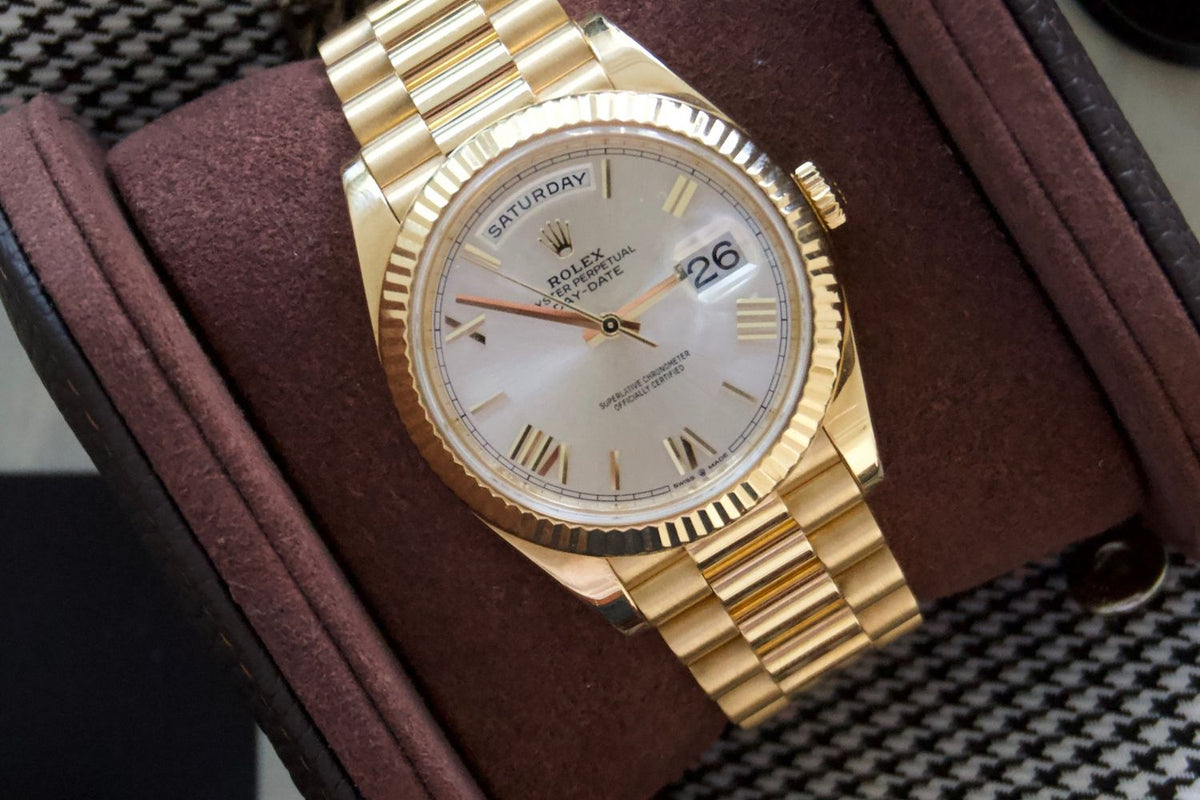
Today, a wristwatch is as much a statement of personal style as it is a way to tell time. From a Rolex Submariner to a Cartier Santos or an Audemars Piguet Royal Oak, fine watches are appreciated for their craftsmanship, design and history. But the wristwatch was not always the preferred way to carry a timepiece.
Its story begins more than 200 years ago with a queen, a Parisian watchmaker and an unusual request.
Who Invented the First Wristwatch?
The earliest documented watch designed specifically for the wrist dates to 1810, when Caroline Murat, Queen of Naples and sister of Napoleon Bonaparte, commissioned a custom timepiece from the celebrated watchmaker Abraham-Louis Breguet.
Made in Paris and delivered in 1812, the watch featured an oval case, a highly complicated mechanical movement and a bracelet of hair woven with gold thread.
The original watch has since disappeared, but Breguet's archives preserve the details of its creation.
At the time, nearly everyone carried a pocket watch. Wearing one on the wrist was an unusual idea, particularly for men, and it would take almost another century for that to change.
From Royalty to the First Luxury Wristwatches
Throughout the 19th century, wristwatches gradually became fashionable among wealthy European women. Many were beautifully decorated pieces of jewelry rather than the practical everyday watches we recognize today.
In 1868, Patek Philippe created a wristwatch for Countess Koscowicz of Hungary. Often cited as the first Swiss wristwatch, it was an elaborate gold bracelet watch that showed how fine watchmaking and jewelry could come together.
By the late 1800s, women were also wearing more practical wristwatches for activities such as horseback riding and cycling. Men, however, continued to favor the pocket watch.
That began to change with the arrival of aviation.
Cartier and the Birth of the Modern Men's Wristwatch
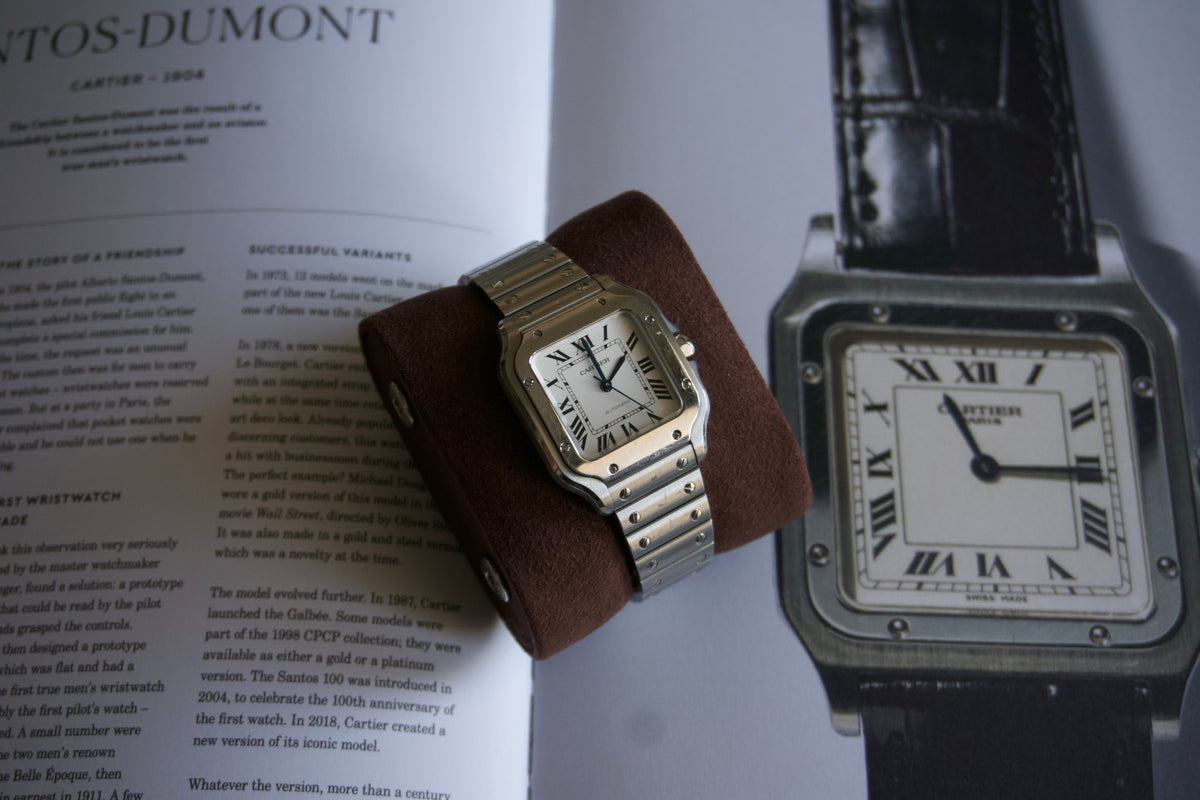
In 1904, the Brazilian aviator Alberto Santos-Dumont had a problem. Checking his pocket watch in flight meant taking his hands off the controls.
His friend Louis Cartier, the Parisian jeweler and watchmaker, created a wristwatch that let him read the time without interrupting his flight.
The Cartier Santos became one of the earliest and most influential wristwatches designed for men. Its distinctive square case and exposed screws remain recognizable more than a century later.

What began as a practical solution for an aviator became one of the most enduring designs in luxury watchmaking.
How World War I Made Wristwatches Popular
While Cartier helped establish the wristwatch as a fashionable accessory for men, World War I accelerated its widespread adoption.
Soldiers needed to coordinate movements and check the time quickly. Reaching into a pocket was inconvenient, particularly in the middle of combat. A wristwatch offered an obvious advantage: the time was immediately visible, and both hands stayed free.
As soldiers returned home, wristwatches became increasingly common in civilian life. What had once been associated mainly with women's jewelry was now recognized as a practical accessory for men.
By the 1920s, the wristwatch was well on its way to replacing the pocket watch.
The Luxury Watch Brands That Shaped an Industry
Many of today's most recognizable luxury watch brands trace their origins to the early days of fine European watchmaking. Breguet and Patek Philippe were important pioneers, while Cartier helped establish the modern men's wristwatch. Other celebrated manufacturers brought innovations of their own:
- Rolex introduced the Oyster in 1926, a landmark in waterproof wristwatch design.
- Breitling, founded in Switzerland in 1884, became known for precision chronographs and introduced the Navitimer for pilots in 1952.
- Audemars Piguet, founded in Switzerland in 1875, introduced the Royal Oak in 1972 and helped define the modern luxury sports watch.
Today, Rolex, Patek Philippe, Audemars Piguet, Cartier, Breitling and Breguet remain among the most established names in luxury watchmaking, joined more recently by newcomers such as Richard Mille. Each has a distinctive heritage, from technical innovation and precision engineering to jewelry-inspired design.
More Than a Way to Tell Time
More than two centuries after Breguet's creation, the wristwatch has become something its earliest makers could scarcely have imagined.
For collectors, a fine watch can mark an achievement, a personal milestone or a connection to someone special. Some are worn every day. Others are reserved for occasions worth remembering. And some are passed from one generation to the next.
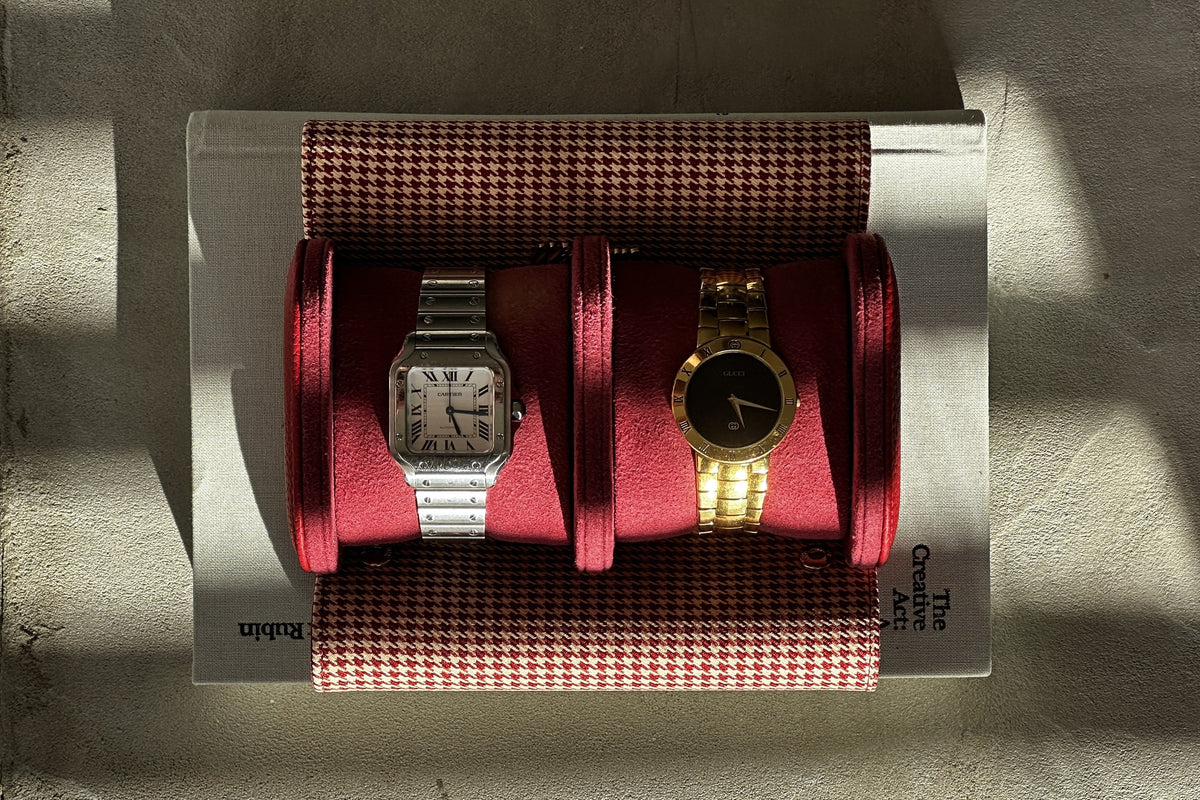
Whatever its significance, a watch worth keeping deserves to be looked after. A well-made watch roll lets collectors bring their favorite timepieces along and keeps them protected whenever they are not on the wrist.
Because the value of a fine watch is not always measured by what it costs.
Wristwatch History FAQ
Who made the first wristwatch?
Abraham-Louis Breguet created the earliest documented watch designed specifically for the wrist. It was commissioned in 1810 by Caroline Murat, Queen of Naples, and delivered in 1812.
Where did wristwatches originate?
The first documented purpose-made wristwatch was created in Paris. Wristwatches later gained popularity among wealthy European women, and Swiss manufacturers played an important role in their development.
When did wristwatches become popular for men?
During and after World War I. Soldiers found them more practical than pocket watches, and the habit continued when they returned to civilian life.
Was Cartier the first company to make a men's wristwatch?
Cartier created one of the earliest and most influential men's wristwatches in 1904 for the aviator Alberto Santos-Dumont. Wrist-worn watches existed earlier, but the Cartier Santos played an important role in establishing the modern men's wristwatch.
How should you protect a luxury watch when traveling?
A watch roll or watch travel case helps guard a valuable timepiece against scratches and keeps it from knocking against other watches. Look for a soft interior, secure closures and individual pillows that keep watches from touching one another. Valuable watches should generally travel in your carry-on rather than a checked bag.
Whether you wear a vintage heirloom or a modern classic, the right watch travel case helps preserve the timepieces you value. Explore Series I, our first collection of handmade watch rolls.
Made for what you value.
Photographs by Winsome, used for editorial purposes. Winsome is not affiliated with the brands discussed.