
Rolex Out, TAG Heuer In: How Formula 1 Changed Its Clock
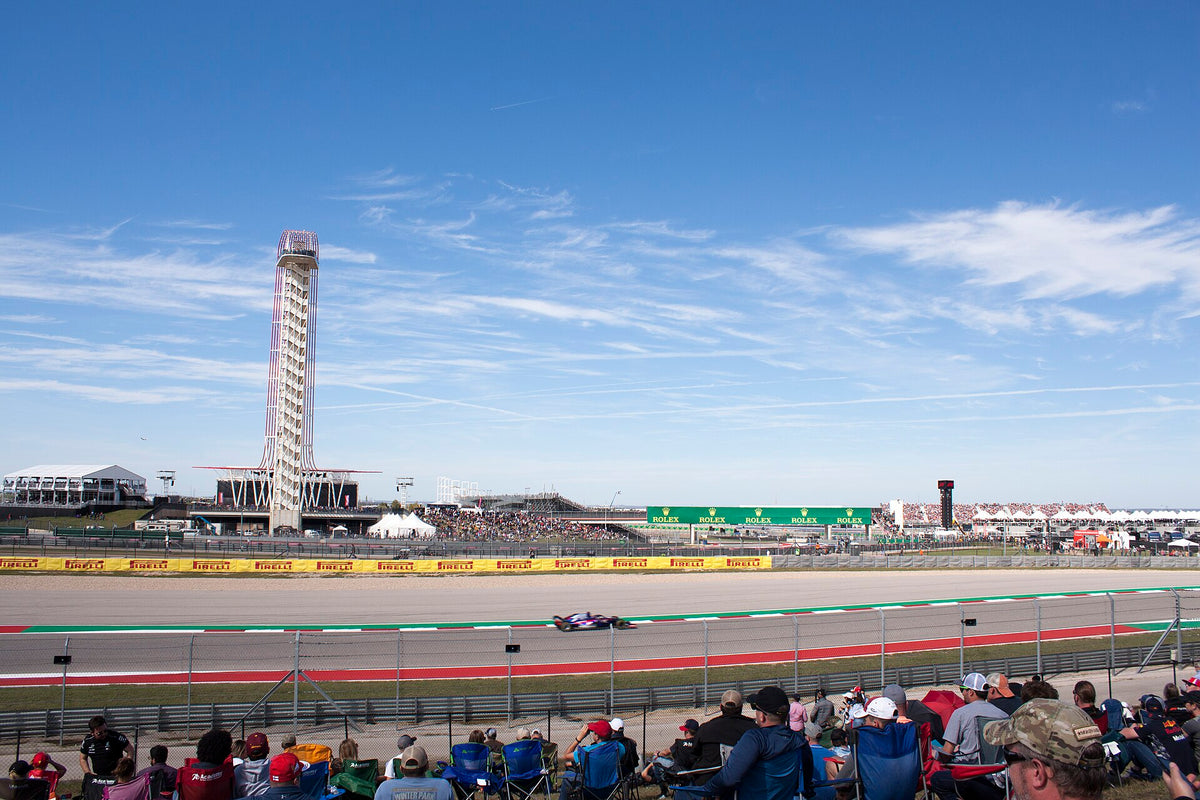
If you have watched a Formula 1 race in the last decade, you have seen a watch brand more often than you probably noticed. Its name sat beside the timing graphics on every lap. Its clocks hung above the pit lane. For twelve seasons, from 2013 through 2024, that name was Rolex.
At the start of 2025, the clocks changed. TAG Heuer is now the Official Timekeeper of Formula 1, under an agreement that runs through 2034.
To a casual fan, it looked like a new sponsor arriving. To anyone who knows the history of racing, it was a homecoming.
The Deal That Changed the Clocks
In October 2024, Formula 1 announced a ten-year partnership with LVMH, the French luxury group, beginning with the 2025 season, the sport's 75th anniversary. Reports valued it at more than $100 million a year.
The agreement brought several houses into the paddock at once. TAG Heuer took over the timing. Louis Vuitton began presenting the trophies in hand-painted trunks made in its atelier at Asnières, outside Paris. Moët & Chandon became the champagne sprayed on the podium.
Rolex had been the sport's Global Partner and Official Timepiece since 2013. What LVMH offered was something no single watchmaker could: an entire house of luxury, from the timing screen to the top step of the podium.
Heuer Was There First
Long before watch partnerships were worth millions, Heuer was simply useful to racing.
The Heuer name first appeared in Formula 1 in 1969, and Swiss driver Jo Siffert became the first racing driver the brand sponsored. Two years later came Ferrari.
Enzo Ferrari was convinced that the timing at races like Le Mans was working against his team, and he wanted equipment of his own. In April 1971, Jack Heuer visited Maranello and offered to supply it. In return, he asked for the Heuer name on Ferrari's Formula 1 cars. The deal was signed on the spot, and Heuer became the first watch brand to sponsor a Formula 1 team.

In 1972, Heuer installed a timing system at Ferrari's new test track at Fiorano. Its engineers went on to develop a system for the sport itself, with a small transmitter on each car so that every car could be timed and identified automatically. The same principle is still at the heart of race timing today. The Ferrari years ended in 1979, and Heuer's timing system later passed to Longines and Olivetti.
The watches followed the cars. The Carrera, introduced in 1963, took its name from the Carrera Panamericana road race in Mexico. The square Monaco arrived in 1969. It became a legend when Steve McQueen wore one in the film Le Mans, having modeled his look on Siffert's, down to the watch and the Heuer patch on his race suit.

From Heuer to TAG Heuer
In the mid-1980s, Techniques d'Avant Garde, the group behind the McLaren team, acquired Heuer, and the brand became TAG Heuer. Its first collection under the new name, launched in 1986, was simply called Formula 1: bright, affordable and made for racing fans. It went on to sell more than three million watches.
TAG Heuer's partnership with McLaren lasted three decades, through the eras of Prost, Senna and Häkkinen, until 2015. And in 1992, TAG Heuer became the official timekeeper of the Formula 1 World Championship, a role it held until 2003.

The Years in Between
After 2003, the timing title passed through several names, including Siemens, LG and Hublot, before Rolex arrived in 2013.
TAG Heuer never really left. When its time with McLaren ended, it moved to Red Bull Racing in 2016, a partnership that has carried through Max Verstappen's championship years and turned ten this season. It also kept its long relationship with the Monaco Grand Prix.
The Rolex Era, 2013 to 2024
Rolex arrived with a racing history of its own. In the 1930s, Sir Malcolm Campbell, who set land speed records on the sand at Daytona Beach, became one of the first racing drivers to endorse Rolex.

In 1962, Rolex became the official timekeeper of Daytona International Speedway. The chronograph it introduced the following year would soon carry the track's name on its dial: the Cosmograph Daytona.

As Formula 1's partner, Rolex was everywhere: on the pit lane clocks, beside the timing graphics and, in 2023 and 2024, in the name of the Australian Grand Prix. Leaving Formula 1 did not end its life in motorsport. Rolex has been the Official Timepiece of the 24 Hours of Le Mans since 2001, and its name is still on the Rolex 24 at Daytona.
What Changed, and What Stayed the Same
On television, the change is easy to see. TAG Heuer's name now sits on the timing towers and broadcast graphics at every race.
On the wrist, less changed than you might think. Official timekeeper is a title for the sport itself. Each team still signs its own watch partner, which is why Richard Mille is still at McLaren and Ferrari, and IWC is still at Mercedes. We cover every team in The Watches of Formula 1.
What the change confirms is how closely watches and racing remain tied. Both are built on the same idea: measuring something precisely, under pressure, and doing it beautifully.
Traveling to a Race With Your Watches
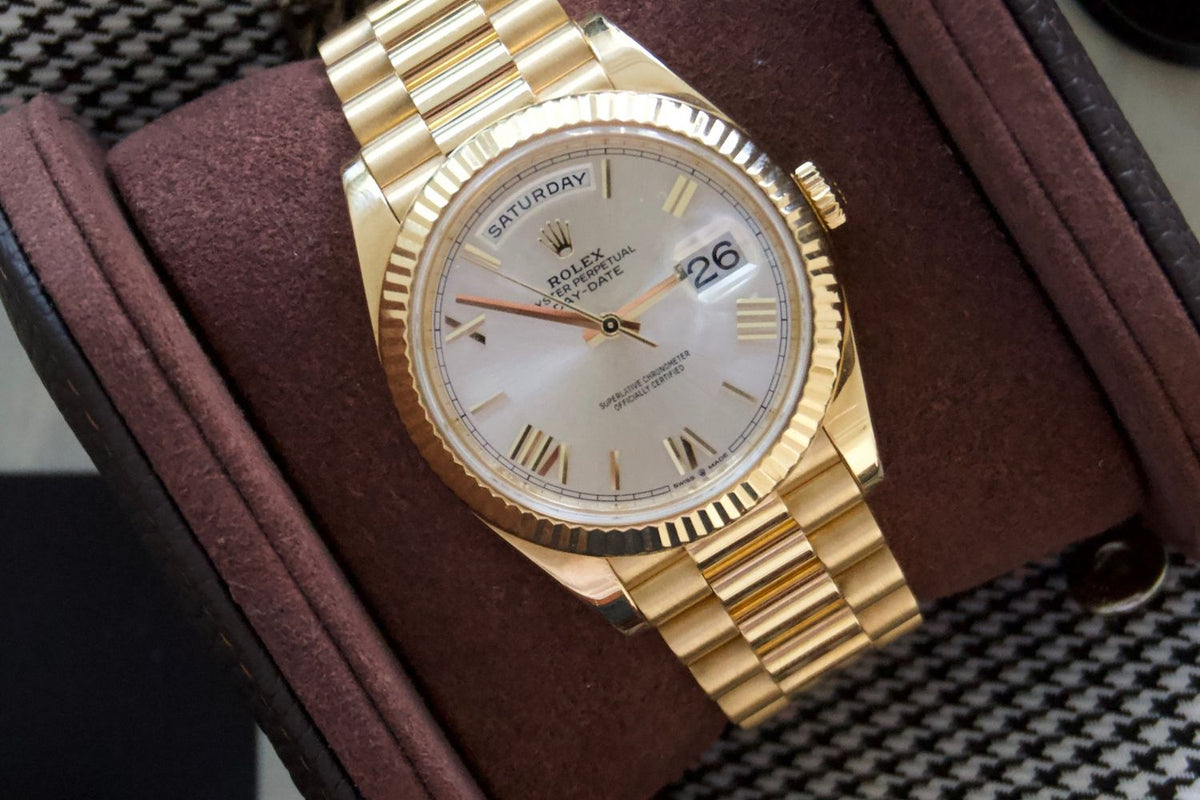
A race weekend is one of the few trips where many collectors bring more than one watch: a sport chronograph for the track and something dressier for dinner. You can only wear one at a time. The other waits in its watch roll, on its own suede pillow, until the evening calls for it.
A double watch roll suits a two-watch weekend, and Winsome rolls fit case diameters up to 44mm, enough for most racing chronographs. A roll is cushioned rather than a hard shell, so we always recommend keeping fine watches in your carry-on.
Rolex, TAG Heuer and Formula 1 FAQ
Who is the official timekeeper of Formula 1?
TAG Heuer, since the start of the 2025 season, as part of LVMH's ten-year partnership with the sport.
Why did Rolex leave Formula 1?
Formula 1 signed a ten-year global partnership with LVMH beginning in 2025, and TAG Heuer, the LVMH watch brand most closely tied to motorsport, took over the timing role. Rolex had held it from 2013 through 2024.
How long will TAG Heuer be Formula 1's timekeeper?
The agreement runs from 2025 through 2034.
Was TAG Heuer Formula 1's timekeeper before?
Yes. TAG Heuer held the role from 1992 to 2003, and in the 1970s Heuer developed timing technology used in the sport.
Does Rolex still sponsor motor racing?
Yes. Rolex is the Official Timepiece of the 24 Hours of Le Mans and the FIA World Endurance Championship, and the title sponsor of the Rolex 24 at Daytona.
Is the Rolex Daytona named after racing?
Yes. Rolex became the official timekeeper of Daytona International Speedway in 1962, and the Cosmograph it introduced in 1963 soon took the Daytona name.
The name on the clock above the pit lane has changed. The story behind it is older than any one sponsorship: racing has always needed watchmakers, and watchmakers have always loved racing.
Read more in the history of Rolex, or explore Series I, our handmade watch rolls.
Made for what you value.
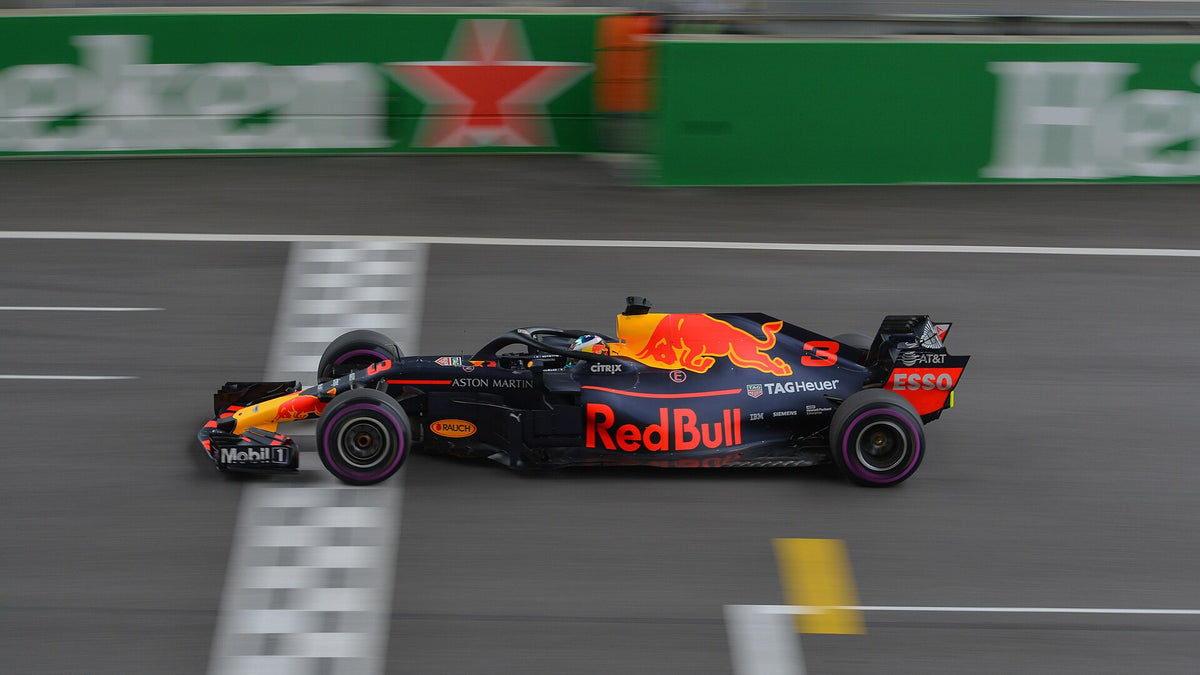
Header image: Red Bull Racing, with TAG Heuer branding on the engine cover, at the 2018 Chinese Grand Prix. Photo: emperornie / Wikimedia Commons / CC BY-SA 2.0. Watch photographs are used for editorial purposes; Winsome is not affiliated with the brands discussed.